Sisterly Lust
Play Sisterly Lust
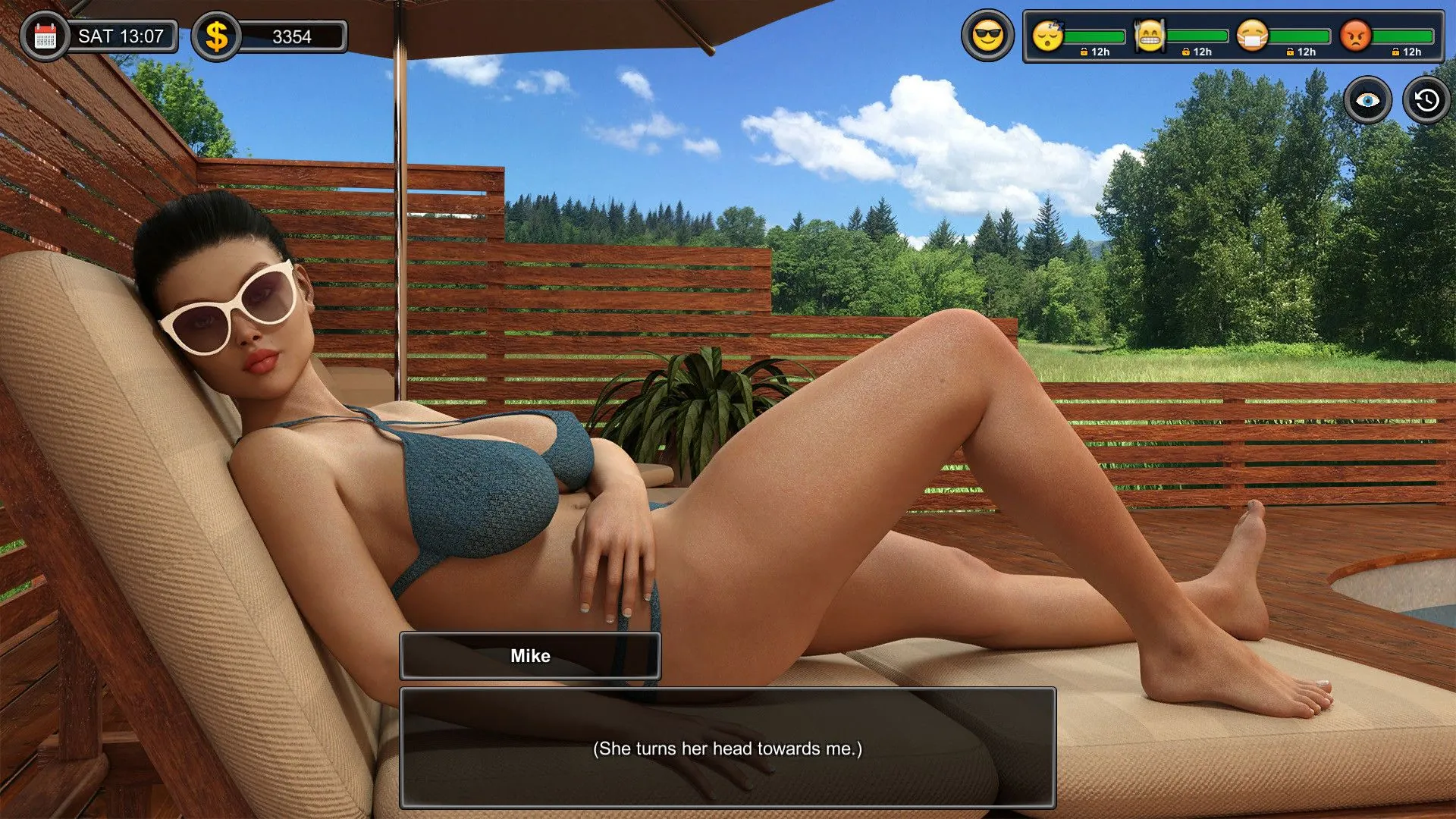
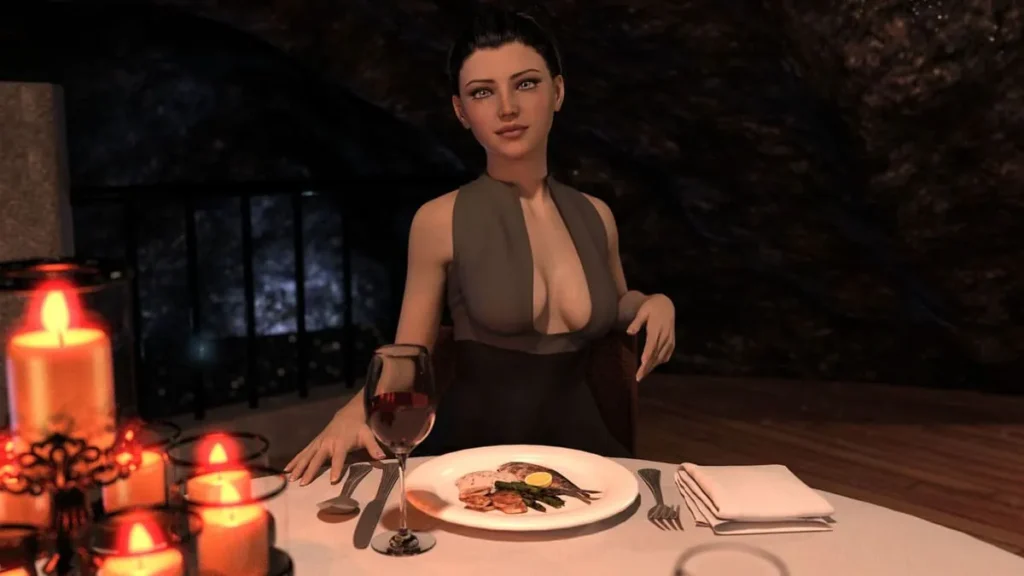
Sisterly Lust Screenshots














Sisterly Lust review
Everything you need to know about gameplay, characters, storylines, and routes
Sisterly Lust stands out in the visual novel genre as a mature, narrative-driven experience that goes beyond surface-level content. Players take on the role of Max, returning home after years away to reconnect with his family. What makes this game compelling is its thoughtful approach to complex themes, character development, and branching storylines that reward careful decision-making. Whether you’re new to visual novels or a seasoned player, understanding the game’s mechanics, character dynamics, and story branches will significantly enhance your experience. This guide covers everything from basic gameplay to advanced route strategies.
Understanding Sisterly Lust Gameplay Mechanics and Story Structure
So, you’ve clicked ‘New Game’ on Sisterly Lust and found yourself in a beautifully rendered house, staring at a cursor. Now what? 😅 If you’re coming from more linear visual novels, the freedom here can be a bit overwhelming. Unlike games where you just pick dialogue options from a list, Sisterly Lust gameplay mechanics are built on a foundation of exploration and consequence. It’s a point-and-click adventure at heart, and understanding this is your first step to mastering its world.
Think of the family home as your interactive playground. You don’t just watch the story—you actively live it by going to different locations at different times. Want to chat with Linda in the kitchen after breakfast? Go for it. Feel like checking the backyard in the evening to see who’s around? That’s the game. This free-roaming exploration is what makes the Sisterly Lust experience so unique. Your agency doesn’t come from just choosing what to say, but from choosing where to be and when. This is the engine that drives everything else: the relationships, the corruption, and the vast network of visual novel branching storylines.
How Sisterly Lust Gameplay Works: Point-and-Click Navigation
The interface is deceptively simple. You click to move. You click on characters to talk. You click on objects to interact. But beneath that simplicity lies a complex web of triggers and flags. 🕸️
On my very first playthrough, I treated it like a typical novel. I just clicked through every location every day, talking to everyone, thinking I’d see everything. Big mistake! I ended up on a weird, shallow path with no satisfying conclusions because I’d inadvertently spread my attention too thin. The game’s clock and location system means scenes are often gated behind specific time and place combinations.
Pro Tip: Don’t just run around randomly. Pay attention to the narrative hints. If a character says, “I’m usually in my room studying in the afternoon,” that’s the game telling you where to find her for important conversations. The journal in your room is also a crucial tool, gently nudging you toward potential plot points.
This point-and-click navigation is the first layer of choice. Your physical presence is a decision. Choosing to visit Mom’s room instead of the living room after dinner can steer the entire plot in a new direction. This is how you begin to shape the Sisterly Lust character routes. It feels organic—because you’re not just selecting “Flirt with Sarah” from a menu; you’re deciding to seek her out when she’s most vulnerable or open.
The beauty of these Sisterly Lust gameplay mechanics is that they hide the “gamey” feel. You’re not managing a stats screen (at least, not obviously); you’re just living a life. But trust me, the game is tracking everything. Every interaction, every successful (or failed) attempt to connect, builds the invisible architecture of your save file, leading to those coveted Sisterly Lust story branches.
The Corruption System: What It Really Means for Your Story
Ah, the infamous corruption system visual novel fans talk about. 🤫 Let’s clear something up immediately: in Sisterly Lust, “corruption” isn’t a measure of evil. It’s not about being a bad person. Think of it as influence, familiarity, or deepening intimacy. It’s a numerical representation of how much you’ve shifted a character’s boundaries and opened them up to new possibilities within your relationship.
Each major female character has her own hidden corruption meter. You don’t see a number, but you feel its effects. Early on, certain dialogue options or actions will be locked off. As you spend time with a character, make choices that align with growing closer (which can sometimes be cheeky, teasing, or bold), and succeed in key story moments, that meter ticks up.
Here’s the key insight from my hours of play: The corruption system visual novel mechanics in Sisterly Lust are about pacing and authenticity. You can’t rush it. A character with low corruption will reject an advance that she might welcome later. The system forces a natural story progression. It prevents the narrative from jumping from “hello” to intense scenes without the necessary emotional and relational build-up.
This system is the core of the visual novel relationship system. It’s what makes each connection feel earned. For example, with Aunt Helen, a high corruption path might involve embracing a more dominant, consensual dynamic, while a lower corruption route with her might focus on a sweeter, more traditional romance. Same character, fundamentally different story feel.
So, how do you influence it? It’s a blend of:
* Consistent Attention: Regularly choosing to interact with the same character.
* Key Story Choices: Picking dialogue and actions that push boundaries gently.
* Event Completion: Successfully navigating pivotal scenes, like a heartfelt talk or helping them through a problem.
A Personal Anecdote: I once focused solely on Anya’s route. I chose every supportive, understanding option with her. By mid-game, our connection felt incredibly deep and emotional. On a replay, I pursued a more playful, physically-forward path with her. The story beats were completely different! The same foundational corruption system visual novel framework created two distinct love stories.
FAQ: Common Questions About the Corruption System
-
“Why did a scene I got last time not appear in this playthrough?”
This is almost always due to the corruption level or relationship score. That scene requires a specific threshold of intimacy or influence with that character. If you focused on someone else this time, you simply haven’t “unlocked” that character’s path deeply enough for that moment to trigger. -
“I’ve been nice to everyone, but now no one’s story is progressing!”
This is the classic “harem route” pitfall. Sisterly Lust heavily rewards focused attention. The corruption system visual novel design is built around deepening individual connections. By splitting your time evenly, you might keep everyone at a medium, “friendly” level, but you won’t reach the high corruption needed for the most significant story advances and scene unlocks with any one character. Specialization is key! -
“Is there a ‘bad’ level of corruption?”
Not really. It’s about narrative direction, not morality. A “high corruption” path isn’t a bad ending; it’s a different type of relationship storyline, often more explicitly physical or explorative. The game allows for both tender and more adventurous conclusions.
Branching Narratives: Why Your Choices Matter in Sisterly Lust
This is where Sisterly Lust truly shines as a masterpiece of visual novel branching storylines. 🎭 We’re not talking about a simple “Choice A leads to Ending A, Choice B leads to Ending B” setup. We’re talking about a sprawling, interconnected narrative tree where early, seemingly innocent decisions can close off entire chapters of the story or open up hidden vistas you never knew existed.
The Sisterly Lust story branches are sensitive, numerous, and often permanent. The game uses a flag-based system. Every choice, every successful corruption check, every time you kiss someone or choose not to, sets a flag. Future scenes check for these flags. No flag? The scene either alters dramatically or doesn’t appear at all.
This is the direct answer to how to unlock scenes Sisterly Lust players often search for. You don’t “unlock” them in a gallery by meeting a score; you earn them by crafting a specific story path. To see every scene, you need multiple playthroughs with different strategic focuses.
Let’s break down a practical example. Say you’re pursuing Sarah. Early on, you might have a choice to comfort her about a problem or tease her playfully. Comforting her might set a flag for the “emotional confidant” path, leading to scenes of late-night talks and supportive intimacy. Teasing her might set a flag for the “playful tension” path, leading to more flirtatious banter and physically-charged moments. Both are valid Sisterly Lust character routes, but they will diverge, offering different scenes, dialogues, and even emotional payoffs.
The table below illustrates how focusing your choices creates entirely different narrative experiences across Sisterly Lust story branches:
| Character Focus | Early Game Choice Example | Mid-Game Story Consequence | Available Scenes Impacted |
|---|---|---|---|
| Anya (Emotional Path) | Listen patiently to her worries about school. | She seeks you out for deep emotional support, sharing secrets. | Unlocks heartfelt confession scenes; access to private studying moments that build romantic tension slowly. |
| Anya (Bold Path) | Flirtatiously tease her about her study habits. | The relationship is charged with playful competition and daring. | Unlocks more physically interactive scenes earlier; leads to scenarios where she tries to “get back at you” with flirtation. |
| Linda (Respectful Path) | Offer to help with house chores without expectation. | Trust builds slowly, forming a foundation of genuine care and partnership. | Unlocks scenes of domestic intimacy and growing mutual respect; a slower burn romance. |
| Linda (Direct Path) | Compliment her appearance directly and confidently. | Creates a spark of acknowledged attraction, navigating the complexity more openly. | Unlocks scenes addressing the attraction directly; may lead to more tense and passionate encounters. |
This branching extends to how characters interact with each other. Your relationship with one sister can affect your dialogue options with another. The game world feels alive and reactive because your story is truly your own.
Practical Advice for Navigating Branches:
- First Playthrough: Go in blind! 😊 Seriously. Don’t use a guide. Pick one or two characters you naturally gravitate toward and dedicate your time to them. Enjoy the organic story that unfolds from your instincts. You’ll miss a lot, but that’s the point—you’re creating your unique story.
- Subsequent Playthroughs: This is where you strategize. Use a saved game at a key decision point, or start fresh with a single character in mind. To explore different Sisterly Lust character routes, you must make different core choices early on. Want to see Aunt Helen’s storyline? You likely need to prioritize interactions with her from Day One, even at the cost of time with others.
- Managing Saves: The single best piece of actionable advice I can give is to save often and in multiple slots. When you hit a major story decision or feel a scene is pivotal, create a new save. Name it something useful like “Pre_Beach_Sarah_Choice.” This lets you backtrack and explore a different visual novel branching storyline without replaying 20 hours of content.
The Sisterly Lust gameplay mechanics, from the free-roam exploration to the nuanced corruption and intricate branching, all work in concert to create a remarkably personal experience. It’s a game that demands to be played more than once, not because it’s short, but because it’s so richly layered. Understanding that your choices on where to click, who to talk to, and what to say aren’t just moving the story forward—they are defining the story itself—is the key to unlocking everything this deep, engaging visual novel has to offer. Happy exploring
Sisterly Lust represents a significant achievement in visual novel storytelling, offering far more than surface-level content. Its intricate branching narratives, well-developed characters, and mature handling of complex relationship dynamics create an experience that resonates with players long after completion. The game’s corruption system, while initially confusing, adds meaningful depth to decision-making, and the multiple character routes ensure that each playthrough feels fresh and rewarding. Whether you’re drawn to the character-driven narrative, the thoughtful exploration of polyamorous relationships, or simply the quality of the writing and character development, Sisterly Lust delivers on its promise to be more than just interactive entertainment. For players seeking a visual novel that respects their intelligence and offers genuine emotional investment in its characters, Sisterly Lust stands as a compelling choice that justifies multiple playthroughs and careful attention to its branching storylines.