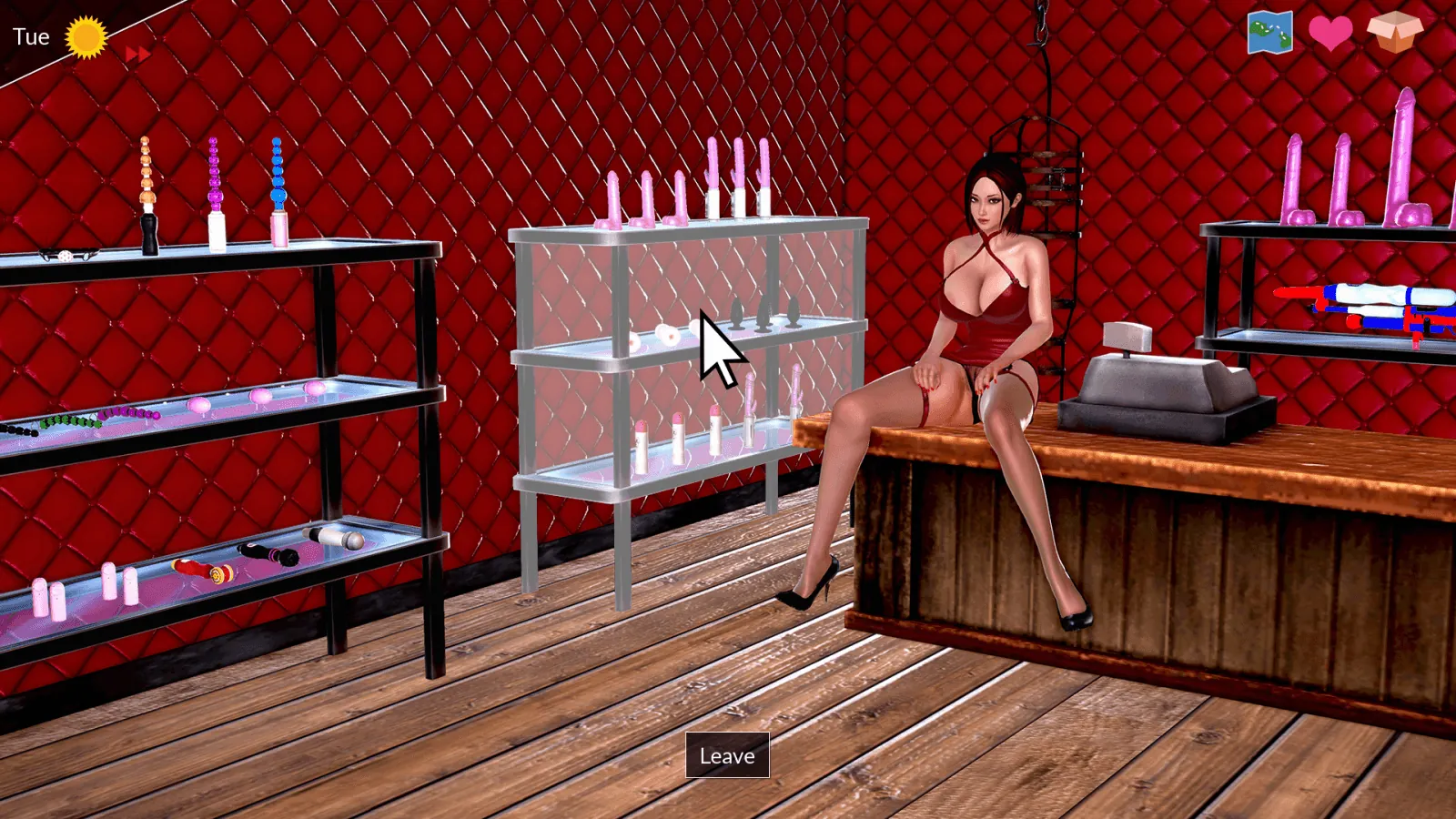
Family Affair
Play Family Affair
Family Affair Screenshots











Family Affair review
Explore gameplay mechanics, storylines, and what makes this title unique in the adult gaming genre
Family Affair stands out as a narrative-driven adult game that combines engaging storytelling with interactive gameplay mechanics. This title has garnered attention for its character-driven narrative and relationship-building elements that go beyond traditional gaming experiences. Whether you’re curious about the game’s core mechanics, storyline depth, or what sets it apart from other titles in its category, this guide provides everything you need to know. Understanding the game’s features and design philosophy can help you determine if it aligns with your gaming preferences and interests.
Understanding Family Affair: Core Gameplay & Features
So, you’ve heard the buzz about Family Affair and you’re curious what all the fuss is about. Maybe you’re a veteran of visual novels, or perhaps you’re completely new to this style of interactive narrative gameplay. Wherever you’re coming from, one thing is clear: this isn’t your run-of-the-mill click-through experience. 🎮
What sets Family Affair apart is how it masterfully weaves its adult themes into a genuinely compelling system of mechanics. It’s not just about the scenes; it’s about the tension, the build-up, and the consequences of every whispered word and hesitant glance. You’re not a passive observer—you’re the architect of delicate, complex, and often thrilling dynamics. This Family Affair game guide is your deep dive into the engine that makes it all tick, from the character development system to the branching storyline choices that will have you restarting chapters just to see what could have been. 😉
Let’s peel back the layers and see what makes this title a standout in its genre.
What Makes Family Affair Different: Game Mechanics Overview
At its heart, Family Affair is a sophisticated hybrid. It takes the foundation of a visual novel—rich text, beautiful character art, and atmospheric sound design—and grafts onto it a deep, reactive simulation. The core Family Affair game mechanics are built on three pillars: Choice, Connection, and Consequence.
Think of it like this: in many games, choices are binary gates (A or B). In Family Affair, your choices are more like throwing a stone into a pond. The initial splash is the immediate reaction, but the ripples affect everything on the shore. A kind word to one character in the morning might be mentioned approvingly by another at dinner, opening up a dialogue option you wouldn’t have had otherwise. This creates a living, breathing world that remembers your actions.
The visual novel gameplay features are your primary interface. You’ll spend your time reading narrative, engaging in dialogue trees, and making key decisions at pivotal moments. But underpinning this is a hidden “affinity” system for each character. Every interaction, from helping with a chore to sharing a secret, tweaks these relationship scores. These scores aren’t just a number; they dynamically unlock and lock story branches, change character dialogue, and influence how others perceive you.
To give you a quick snapshot of what you’re diving into, here’s a breakdown of the core framework:
| Core Mechanic | Description | Impact on Gameplay |
|---|---|---|
| Dialogue Tree System | Multi-path conversations with timed and untimed choices that reflect tone (Flirt, Joke, Support, Confront). | Directly influences character affinity and unlocks unique story scenes. Your conversational style defines your relationships. |
| Hidden Affinity Values | Invisible relationship scores for each main character that shift with every decision and interaction. | Governs the availability of branching storyline choices, ending variations, and character-specific subplots. |
| Narrative Checkpoints | Key moments where the story can diverge significantly based on accumulated affinity and prior choices. | Creates major plot forks, leading to dramatically different mid-game and end-game scenarios. |
| Memory & Reactivity | The game’s world and characters reference past events, conversations, and promises. | Enhances immersion and makes your playthrough feel unique. Your history matters. |
| Playtime & Pacing | A single playthrough ranges 10-15 hours, focusing on slow-burn narrative tension and character development. | Encourages multiple replays to explore alternate paths and see the full scope of the interactive narrative gameplay. |
This structure means there is no single “right” way to play. My first playthrough was a mess of good intentions and accidental offenses—I thought I was being charming, but one character read it as insincere, and it closed off her entire subplot by Chapter 4! That’s the magic and the frustration of Family Affair game mechanics. You have to think about personalities, not just plot points.
Character Development & Relationship Systems
This is where Family Affair truly shines. The relationship system adult game aficionados dream of is here, and it’s intricate. Each character is not just a collection of sprites and dialogue; they have their own desires, insecurities, histories, and evolving feelings that change based on your behavior. 👨👩👧👦
The character development system is dual-layered. First, there’s your development as the protagonist. Your choices shape your personality within the story—are you the rebellious confidant, the peacekeeping helper, or the ambitious instigator? The game reflects this back in how characters describe you and the types of opportunities that come your way.
Second, and more importantly, is the development of the characters around you. Relationships progress in phases, often feeling organic and unforced. A connection might move from “Distant Acquaintance” to “Trusted Friend” before any adult content is even hinted at. This build-up is critical. It makes the payoff feel earned and emotionally resonant, rather than transactional.
The system runs on a combination of visible and invisible metrics:
* Affinity (Hidden): The core numeric value for each character.
* Trust & Romance Meters (Sometimes Visible): Some paths will give you indications of these levels through context or UI hints during key scenes.
* Flags: Critical story beats or decisions that permanently set the story on a certain path (e.g., “Learned X’s Secret,” “Promised to help Y”).
Personal Tip: Don’t try to max out everyone’s affinity in one go. It’s nearly impossible and can lead to narrative contradictions. On my second playthrough, I focused solely on building a deep, trusting bond with one character, and the story that unfolded was far richer and more coherent than my “people-pleaser” attempt.
Let’s look at a concrete example of this system in action:
Imagine a scenario where the character “Elena” is stressed about an upcoming work event. You encounter her in the kitchen.
* Choice A (Supportive): “You look worried. Want to talk about it? I can help you prepare.”
* Effect: +Elena Affinity. Triggers a “Flag: Offered Support to Elena.” Later, she may seek you out for comfort, opening a private, tender scene that deepens emotional intimacy.
* Choice B (Flirtatious): “You always look good, but a smile would be even better. Forget about work for a minute.”
* Effect: A small +Elena Affinity, but also a potential -Affinity with another character, “Mark,” if he overhears and thinks you’re being inappropriate. This may open a more physically charged but emotionally riskier path later.
* Choice C (Dismissive): “Everyone gets stressed. You’ll manage.”
* Effect: -Elena Affinity. She withdraws. This locks you out of her personal subplot for the next several chapters. You might hear about her event failing from someone else, creating household tension.
This example shows how a simple, everyday interaction isn’t just flavor text—it’s a functional lever in the relationship system adult game that alters future narrative availability and character dynamics. Will Elena become a close ally or a distant roommate? It starts with moments like these.
Narrative Structure & Player Choices
The narrative in Family Affair is a sprawling, interconnected web. It employs a branching storyline structure that is less of a “tree” and more of a “knot garden”—paths twist back alongside each other, diverge wildly, and sometimes converge in unexpected places. Your journey is defined by the branching storyline choices you make at critical junctures, which are gated by the relationship systems we just discussed. 📖
The story unfolds across distinct chapters or “days,” often with a central tension linking them. However, within that framework, your individual experience can vary wildly. A chapter focused on a family dinner, for instance, could play out in half a dozen different ways depending on who you’ve allied with, who you’ve upset, and what secrets you’ve uncovered.
The interactive narrative gameplay here means you are constantly shaping the tone and direction. Key choices often appear without dramatic music or obvious “THIS IS IMPORTANT” signage. They feel like natural conversation points, which makes their impact more surprising and realistic. You might choose to keep a secret for one character, which builds trust with them but breeds suspicion in others who feel left out. There is no universally “good” path—only paths that are good for the relationships you choose to prioritize.
The adult content is seamlessly woven into this narrative progression. It is treated as a potential outcome of deep relationship paths, not the sole goal. Scenes are contextually appropriate and feel like a natural culmination of built-up tension and connection, which is a hallmark of mature, character-driven storytelling. This integration is what elevates it beyond mere titillation.
Replay value is enormous. The game encourages multiple playthroughs with:
* A Robust Save System: You can save at almost any point, allowing you to create “branch saves” and explore different choices without replaying hours of content.
* Vastly Different Endings: Depending on your relationship standings and key decisions, you can achieve endings ranging from bittersweet and solitary to fulfilling and intimate with various character pairings or groups.
* Hidden Scenes and Easter Eggs: Some scenes have such specific unlock requirements (e.g., “Have high affinity with A but low with B, and have chosen option C in Chapter 2”) that you’ll likely only see them by following a guide or through sheer, curious repetition.
Ultimately, the Family Affair game mechanics work in harmony to deliver a uniquely personal experience. Your story in Family Affair will be your story—a product of your instincts, your attentiveness to the characters, and your willingness to navigate the delicate, compelling web of human connection it so brilliantly simulates. This Family Affair game guide should have armed you with the understanding to step into its world not just as a player, but as a participant ready to shape its destiny. 🏡✨
Family Affair represents a thoughtful approach to adult gaming that prioritizes narrative depth and meaningful player agency. The game’s strength lies in its character-driven storytelling, where your decisions genuinely shape the relationships and outcomes you experience. Whether you’re drawn to the interactive narrative elements, the relationship-building mechanics, or the overall gaming experience, Family Affair offers a unique blend of engaging gameplay and mature storytelling. For players seeking a game that treats its content with narrative sophistication and respects player choice, this title deserves consideration. Take time to explore the different paths available, experiment with various choices, and discover how your decisions create a personalized gaming experience that reflects your preferences and playstyle.