Deviant Anomalies
Play Deviant Anomalies
Deviant Anomalies Screenshots






















Deviant Anomalies review
A player-focused walkthrough, tips, and insider perspective on Deviant Anomalies
Deviant Anomalies is a niche adult-oriented visual novel and role-playing experience known for its detailed character work, branching storylines, and scene-based progression. In this guide I’ll walk you through the game’s core systems, story structure, and practical tactics to get the most from each playthrough while sharing firsthand observations and tested strategies. Whether you’re aiming to complete every path, optimize character relationships, or manage in-game resources efficiently, this article gives a clear roadmap and anecdotes from my own play sessions to help you succeed.
Gameplay Essentials: Systems, Progression, and Interface
Welcome, detective! 👋 Stepping into the shadowy, neon-drenched world of Deviant Anomalies for the first time can be equal parts thrilling and utterly overwhelming. I remember loading it up, staring at the dense interface, and thinking, “Where do I even start?” The game doesn’t hold your hand, and that’s part of its charm—but it also means a few missteps can cost you precious time and lock you out of content. After multiple playthroughs (and more than a few reloads), I’ve mapped out the essentials. This guide will break down the core Deviant Anomalies gameplay, demystify the Deviant Anomalies UI, and explain the Deviant Anomalies progression systems so you can hit the ground running and solve cases like a seasoned pro.
Core Mechanics and UI Walkthrough 🕵️♂️
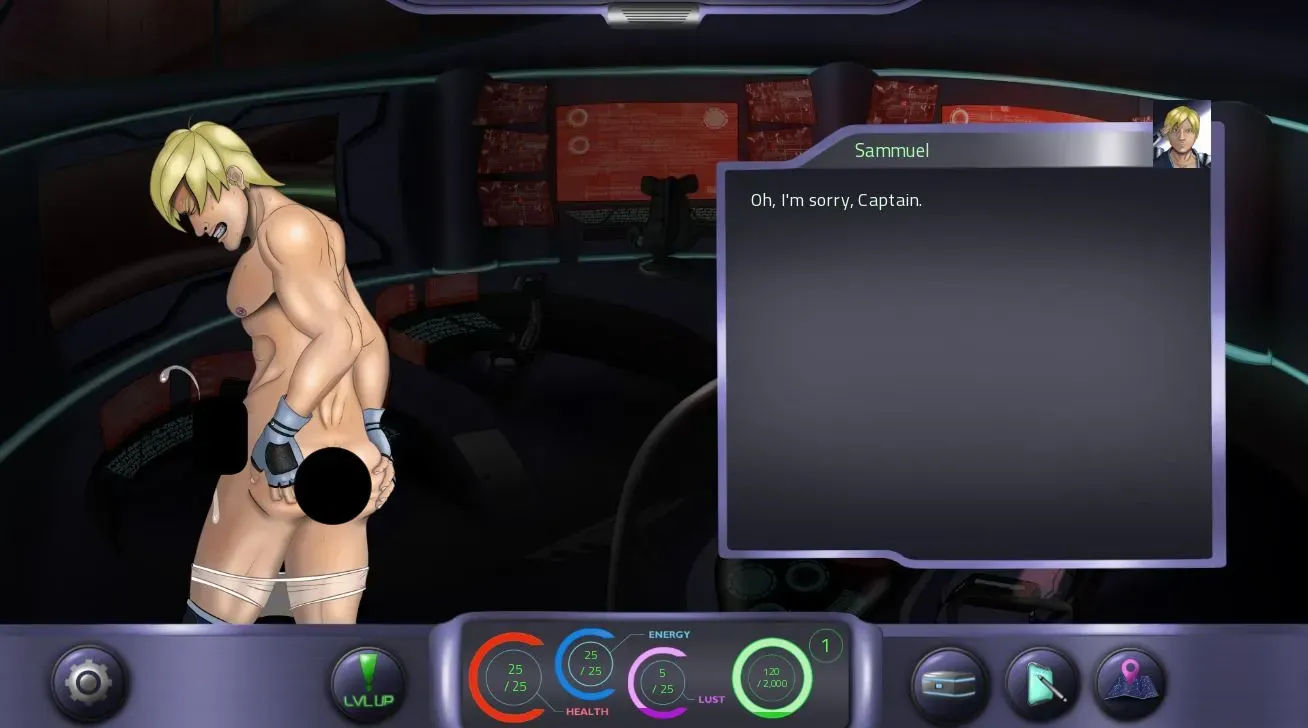
Let’s crack open the case file on your screen. The Deviant Anomalies UI is your command center, and understanding it is the first step to mastering the game mechanics Deviant Anomalies employs. At first glance, it’s a lot—floating holograms, scrolling datafeeds, multiple panels—but it’s beautifully logical once you get it.
The centerpiece is your Dynamic Map. This isn’t just a static image; it’s a living, breathing entity. Districts pulse with different colors indicating activity levels, and scene triggers (small, glowing icons) appear as you uncover leads. My biggest early mistake was ignoring the map’s filters! Click the funnel icon to toggle between views: Case Objectives, Active NPCs, and Resource Nodes. This single trick cuts through the clutter immediately.
Flanking the map are your core panels:
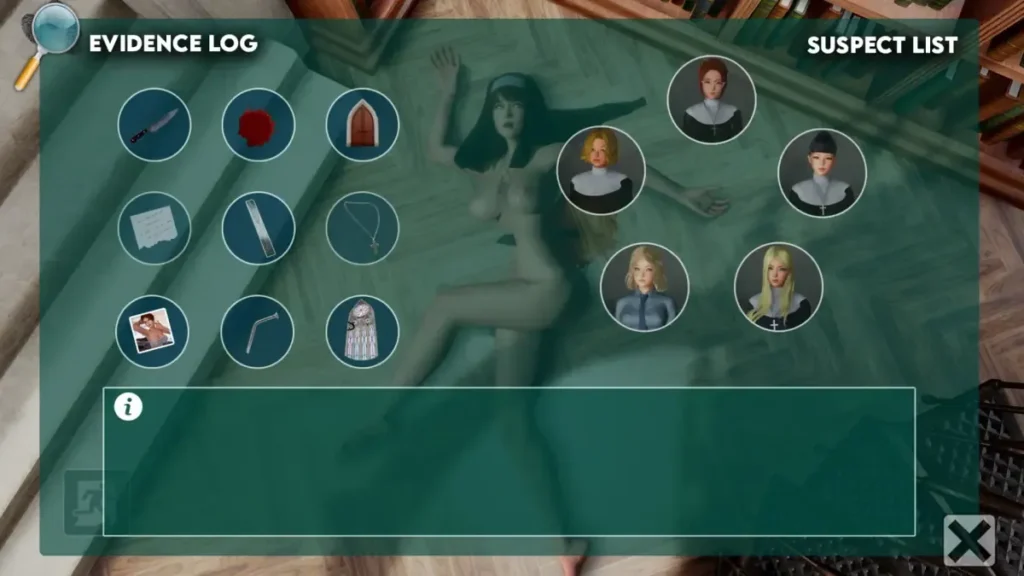
* Left Panel – The Dossier: This is your character sheet, inventory, and case log. Your Case Log is your bible. Every clue, conversation snippet, and hypothesis lives here. Don’t just collect clues—review them! Connections often auto-populate, but sometimes you need to manually link entries to advance a theory.
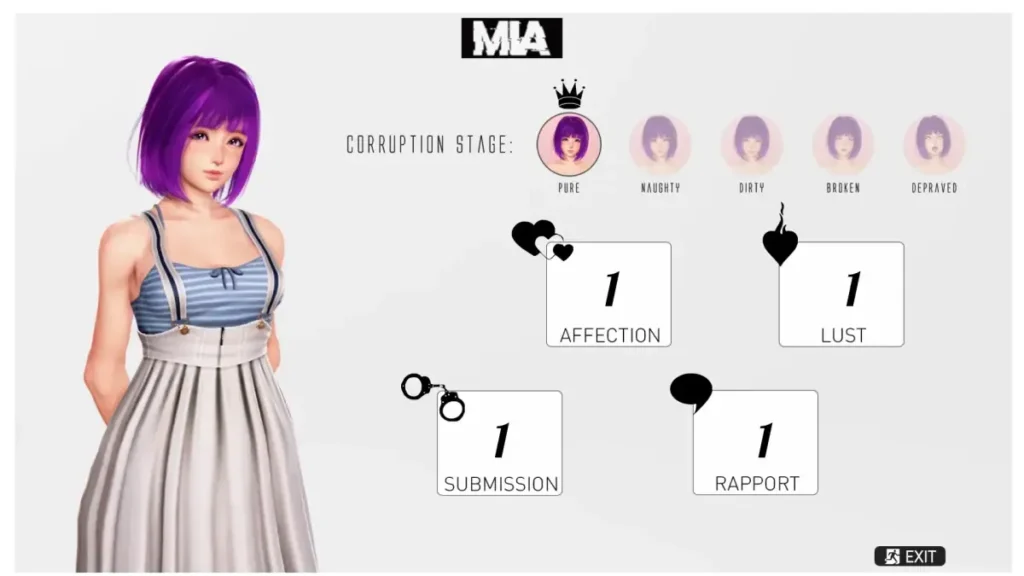
* Right Panel – The Wire: This is your real-time info stream. Here, you’ll see Reputation Metrics with key factions and characters, your current resources (Credits, Intel, and “Influence”), and a condensed day/night cycle indicator. The timeline is crucial; some events only happen at specific hours.
* Bottom Bar – Action Central: This is where you manage your day. You’ll see buttons for Fast-Forward, Travel, Investigate, and Socialize. The Fast-Forward feature is your best friend for waiting for a specific time of day, but beware—using it carelessly can make you miss timed event windows.
Pro Tip: Spend your first in-game hour just clicking on every UI element. Hover over icons, open and close menus. This initial investment saves hours of confusion later. I didn’t, and I wasted a full day trying to figure out how to call a contact because I’d missed the tiny comms icon tucked in the corner!
Progression Systems: Cases, Reputation, and Resources 📈
The heart of Deviant Anomalies progression is a satisfying loop of taking on cases, gathering resources, and building your network. It’s not about brute-forcing through a main story; it’s about living in the world and letting your reputation pave the way.
Accepting & Solving Cases: You’ll pick up cases from the precinct board, shadowy fixers in bars, or even from NPCs you befriend. Each case has its own thread in your log. Progress isn’t always linear. You might need to gather physical evidence from a location (Investigate action), then cross-reference it with a data-broker’s archives (Socialize/Network action), then finally confront a suspect. The game’s Deviant Anomalies gameplay brilliantly makes you feel like a real investigator piecing together a puzzle.
Building Relationships & Reputation: This is the true core of the game mechanics Deviant Anomalies uses to shape your world. Every major faction (like the City Watch, Arcane Underground, or Corporate Council) and many key NPCs have a hidden reputation score. Helping them, choosing their preferred dialogue options, or completing jobs they care about raises your standing. This unlocks new dialogue branches, exclusive cases, and even romantic subplots. Conversely, crossing them can lock doors—sometimes permanently. I once accidentally insulted a tech-lord in an early side conversation and found entire late-game avenues of cybernetic upgrades completely barred to me.
Managing Resources: You have three key currencies:
1. Credits: The universal monetary system. Used for buying gear, bribing informants, and paying for travel.
2. Intel: Gained from hacking terminals, analyzing evidence, or successful interrogations. Needed to unlock high-level information in your case log.
3. Influence: A more abstract resource representing your street cred and social capital. Earned by solving high-profile cases or doing major favors. It’s used to call in markers, force doors open socially, or get past stubborn guards without a fight.
The key is balance. Blow all your Credits on fancy gear early, and you won’t have the funds to bribe a crucial witness later. Hoard all your Intel, and you’ll stall your investigations.
To maximize your efficiency, here’s a daily checklist I live by:
- 🗺️ Check the Map First: Open it with filters on. Plan your route to cluster objectives geographically to save time.
- 🧍 Talk to Key NPCs: Even if you have no active quest with them. Many have daily dialogue that can offer hints, small jobs, or reputation boosts.
- 📁 Advance One Major Case: Focus on making tangible progress on at least one main thread per day to avoid feeling scattered.
- 💸 Audit Resources: Check your Credits, Intel, and Influence. Do you need to take a quick, profitable job to top up?
- ⏩ Fast-Forward with Purpose: Only skip time when waiting for a specific, scheduled event. Let the game run in real-time during exploration to catch random encounters.
How Scenes, Choices, and Branching Paths Work 🌳
This is where Deviant Anomalies truly shines. The game doesn’t have a “good” or “evil” meter. Instead, your choices subtly (and not-so-subtly) shift the world’s state through a web of branching paths and reputation flags.
Every significant interaction is a Scene. These can be conversations, confrontations, or discovery moments. Within each scene, your dialogue and action choices are evaluated against several hidden metrics. For example, a single reply might:
* Increase your Cynicism score while decreasing your Empathy.
* Boost your reputation with the City Watch but anger the Street Gangs.
* Unlock a new Insight about a character, adding a permanent note to their dossier.
* Set a flag that will be checked much later in the game, altering an outcome you’d forgotten about.
The game is notorious for its branch locks. Certain major decisions—like who to side with in a faction dispute or whether to save one character over another—will irrevocably close off entire story arcs and open new ones. There is no “perfect” playthrough. My first run was a paranoid, corporate-friendly snitch; my second was an idealistic rogue helping the underground. The locations, available characters, and even final cases were dramatically different.
To visualize how choices ripple out, here’s a simplified breakdown of key metrics:
| Choice Example | Primary Metric Affected | Potential Long-Term Consequence |
|---|---|---|
| Accept a corporate bribe to overlook evidence. | +Corporate Trust, -Personal Integrity | Unlocks corporate security clearance later; makes certain street-level informants refuse to talk to you. |
| Use violent intimidation to get information. | +Ruthlessness, -Compassion | Faster short-term gains in some cases; may cause a key NPC to fear you and betray you at a critical moment. |
| Spend Intel to deeply analyze a clue instead of taking it at face value. | +Investigative Thoroughness | Can reveal hidden, true culprits in cases that seem open-and-shut. |
This brings us to the most critical piece of Deviant Anomalies save advice: Save Often, and Save Smart. The auto-save is generous, but you must be your own archivist.
- Create a Save at the Start of Each In-Game Day. Label it “Day_XX_Morning”. This gives you a clean rollback point.
- Save Before Any Major Scene or Conversation. I use a naming convention like “Before_Warehouse_Confrontation” or “Pre_Meeting_Councilor”.
- Maintain a “Branch Point” Save. When you hit a massive, obvious story decision, save in a dedicated slot you won’t overwrite. This lets you experience other branches later without replaying 20 hours.
I learned this the hard way. Early on, I had one chaotic save file that I just kept overwriting. I hit a major branch lock I regretted, but my only other save was from 10 hours prior. Now, I maintain a rotating set of 10-15 manual saves. It feels like organizing case files, and it grants you the freedom to explore this incredible narrative web.
Finally, don’t sleep on the Settings menu for a better experience. My personal recommendations that improved my immersion tenfold:
* Dialogue Text Speed: Set it to “Instant.” The Deviant Anomalies gameplay flows much better when you’re reading at your own pace, not waiting for text crawl.
* Autosave Frequency: Increase it to “High.” More safety nets are always better.
* Subtitles & Audio Logs: Enable “Always Show” for subtitles and set audio logs to pause the game while playing. You do not want to miss crucial ambient intel because you were walking.
* HUD Opacity: Consider reducing it slightly when exploring. The world is so visually rich, and sometimes it’s nice to just soak in the atmosphere without UI elements.
Mastering the Deviant Anomalies UI, understanding the deep Deviant Anomalies progression systems, and respecting the weight of your choices will transform your experience from one of confusion to one of total agency. Embrace the chaos, save strategically, and remember: in this city, every case you solve changes it forever. Now get out there and find some truth. 🔍✨
Deviant Anomalies rewards patient players who explore its branching systems and invest time in character relationships. This guide condensed my hands-on experience into practical steps: understand the UI and daily loop, prioritize character triggers, use manual saves to preserve branches, and leverage community resources for mods and troubleshooting. Start with a flexible playthrough to learn the mechanics, then focus a second run on a specific route using the save checkpoints suggested earlier. If you found these tactics useful, try the daily checklist and character table in your next session and share your findings with the community to help other players.