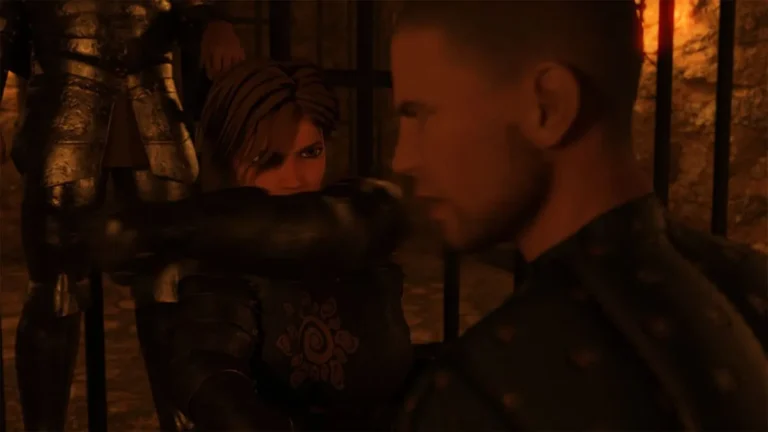
Play After the Inferno
After the Inferno Screenshots
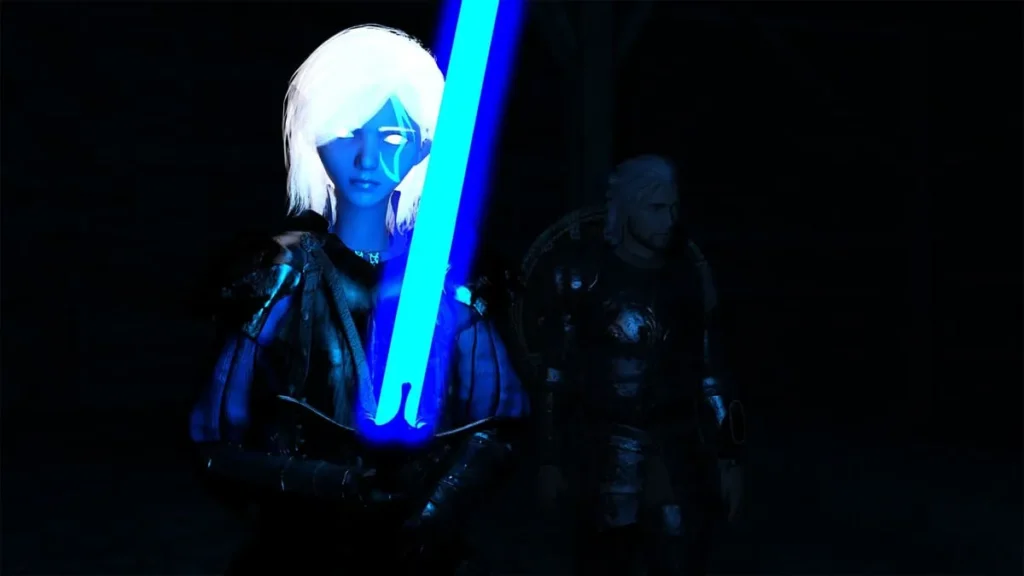
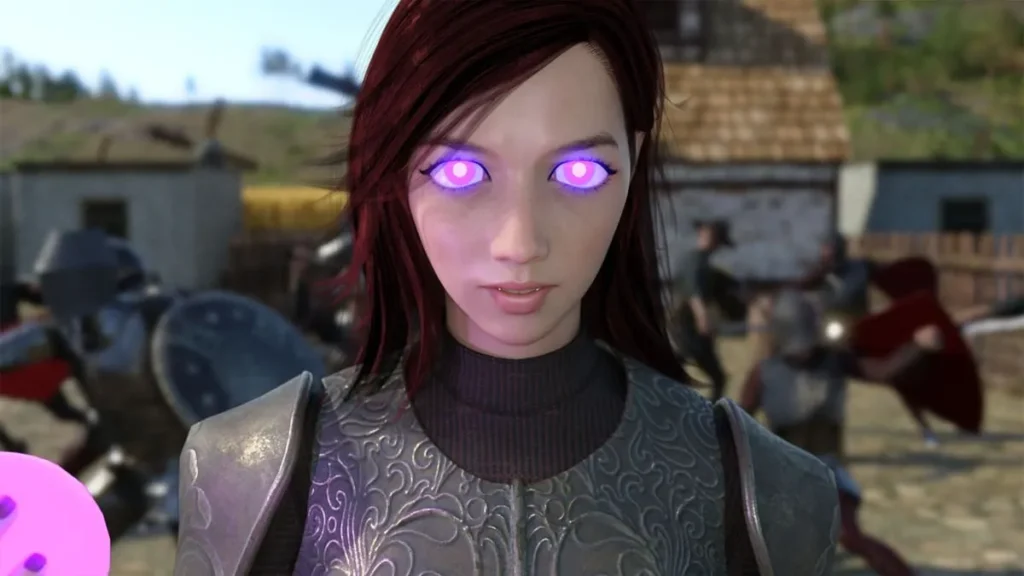
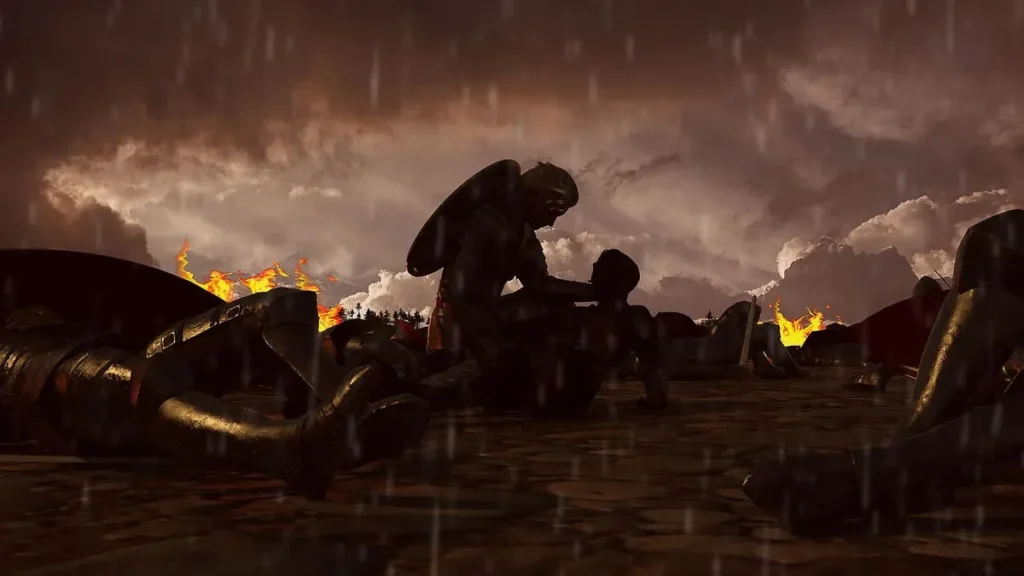

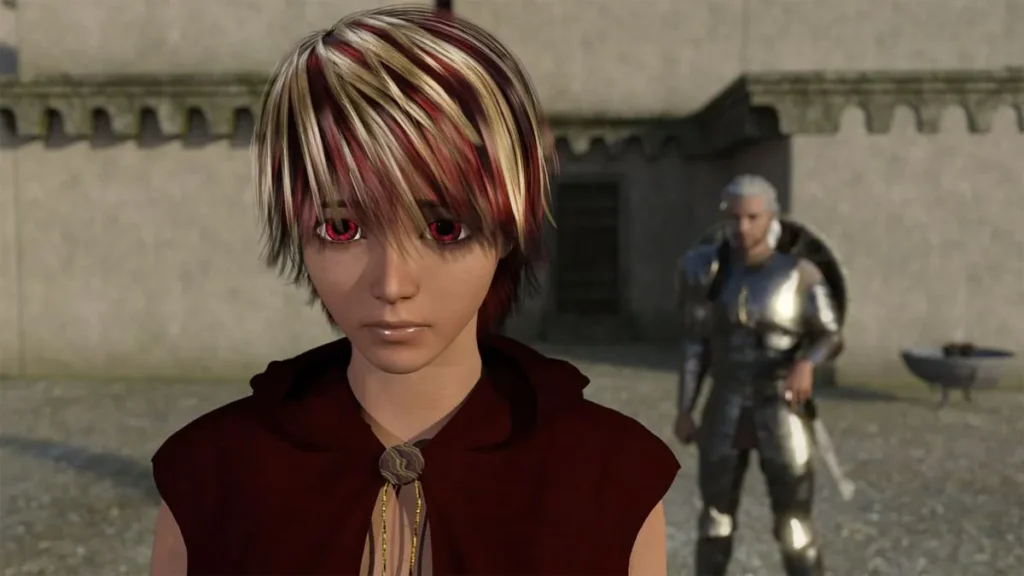
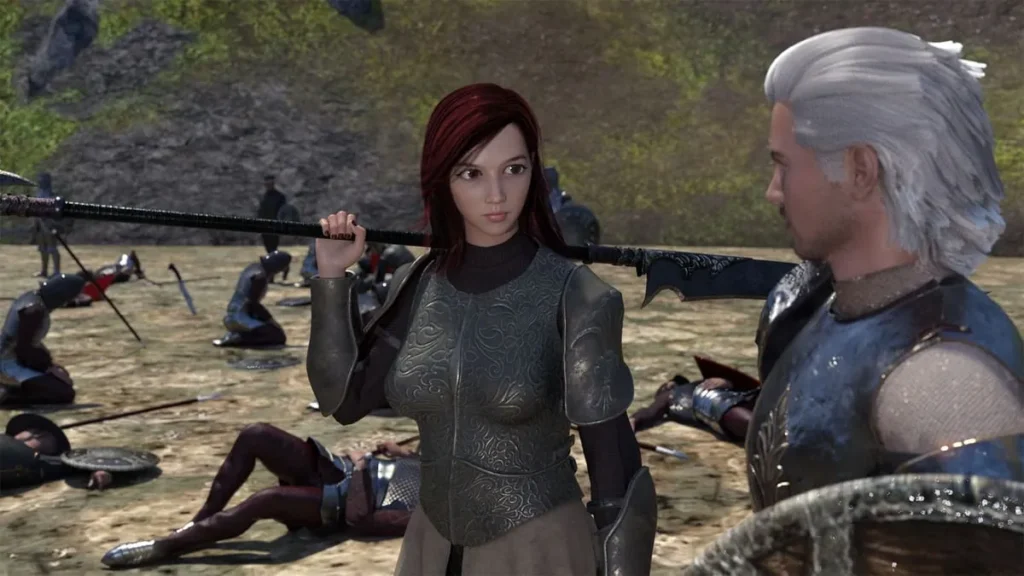
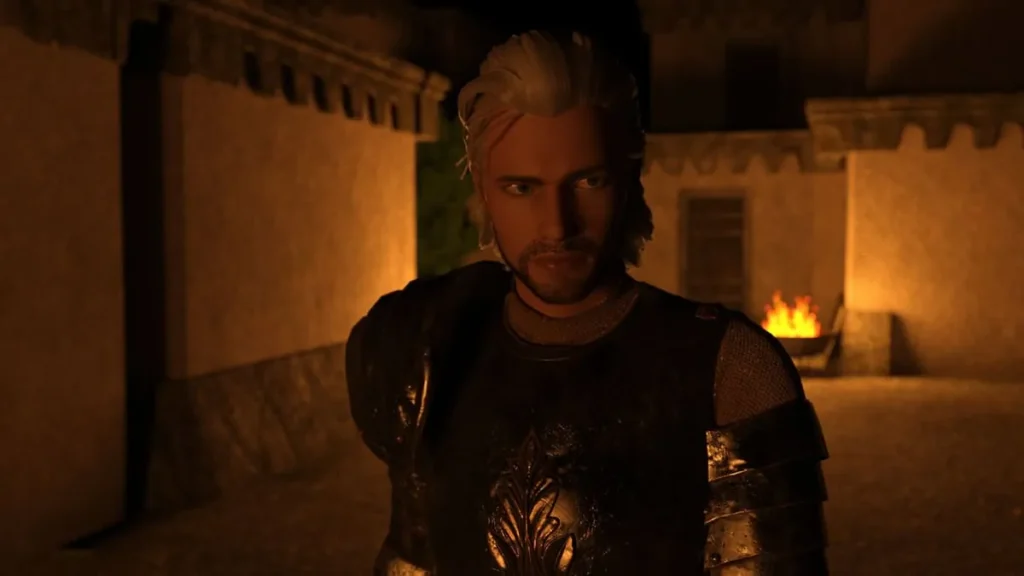
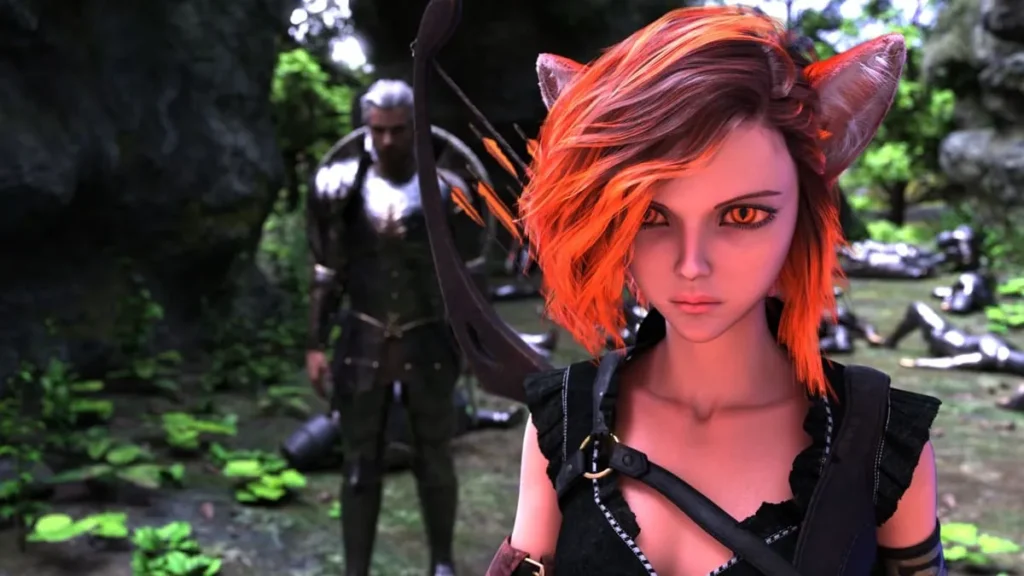
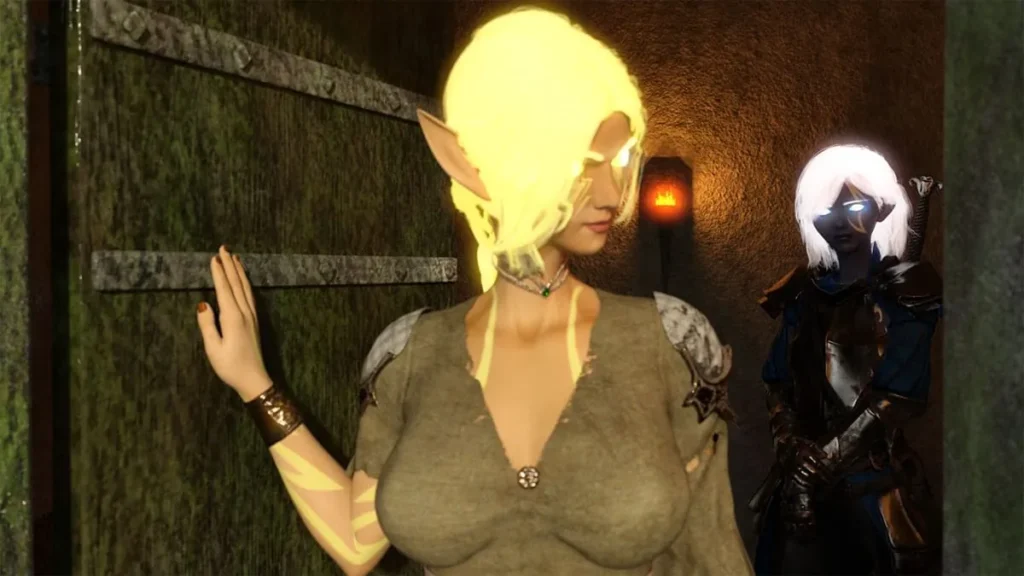
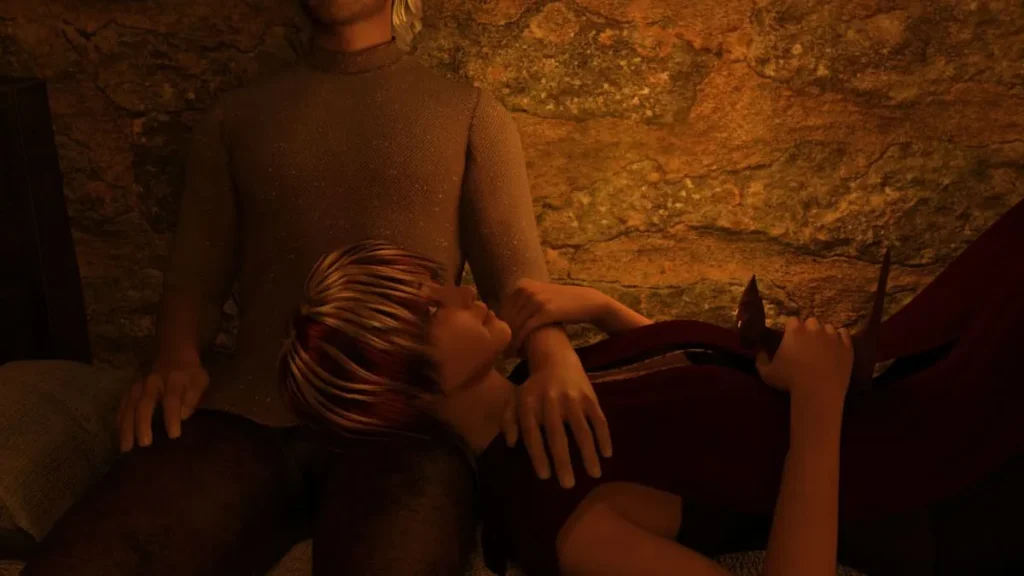

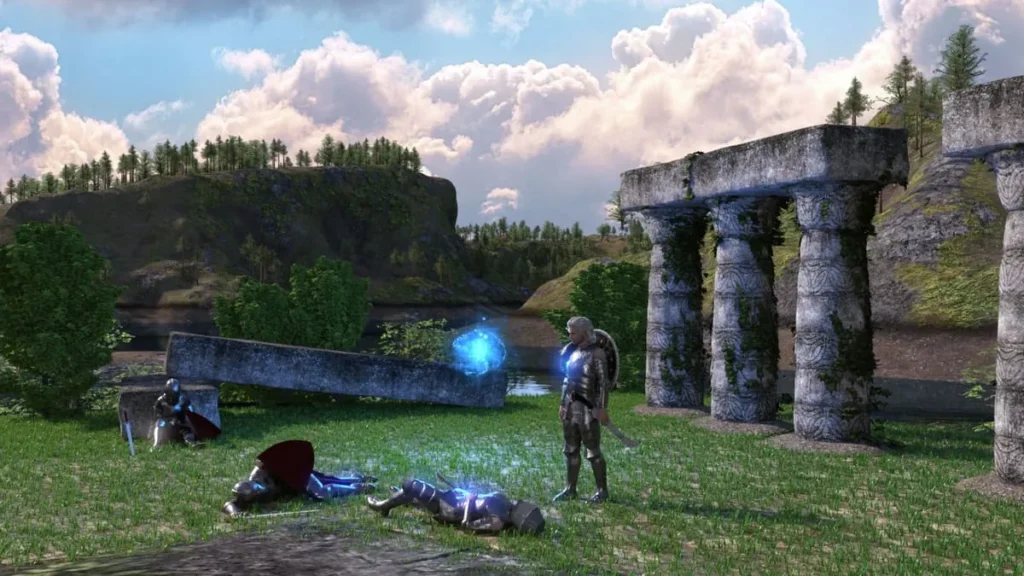
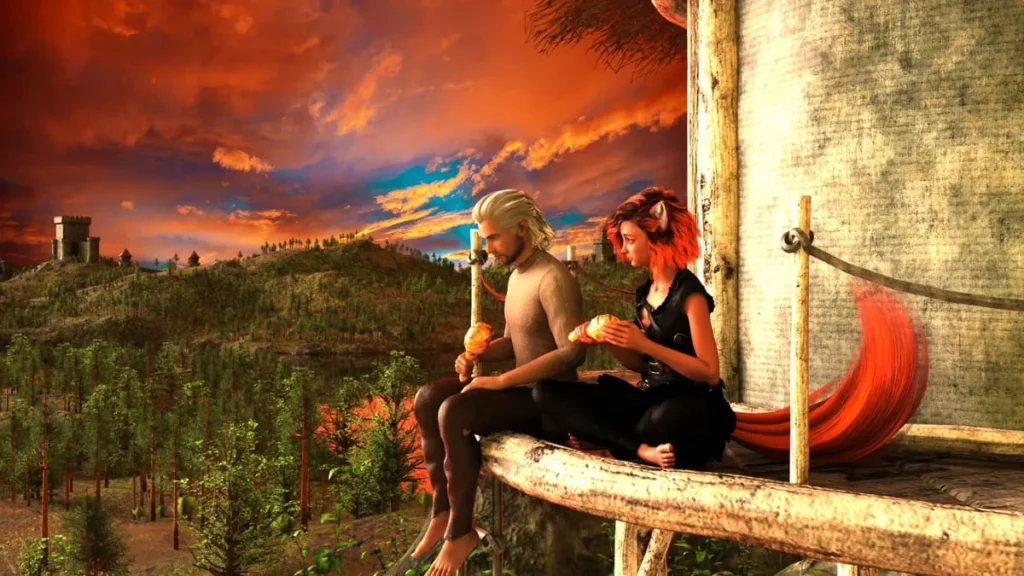
After the Inferno review
Exploring Story, Gameplay, and Unique Features of After the Inferno
After the Inferno is a captivating visual novel that blends medieval themes with intricate storytelling and character relationships. This game immerses players in the life of Devran, a royal knight navigating war, love, and loyalty in a richly detailed world. Known for its engaging plot and realistic graphics, After the Inferno offers a unique experience that goes beyond typical adult visual novels by emphasizing story and character development alongside its mature content. Whether you’re a fan of narrative-driven games or looking for a fresh take on the genre, this article dives deep into what makes After the Inferno a standout title.
Story and Characters in After the Inferno
Have you ever played a game that lingered in your mind for days, not just because of its mechanics, but because of the weight of its After the Inferno story? 🤔 That’s the exact feeling I was left with after my first playthrough. This isn’t your typical fantasy romp; it’s a medieval visual novel story that grabs you by the heart and refuses to let go, masterfully weaving brutal warfare with intimate, personal drama.
At its core, the After the Inferno plot summary is a tale of survival and soul-searching. You step into the worn boots of Devran character, a Royal Knight and army commander who has just lived through a catastrophic, kingdom-shattering defeat. The “Inferno” isn’t just a cool title—it’s the literal and figurative hell he’s crawled out of. The game begins in the ashes, both of the battlefield and of Devran’s spirit, setting the stage for a profound exploration of duty, love, and what it means to lead when all seems lost.
Who is Devran? The Protagonist’s Journey
So, who is Devran in After the Inferno? On the surface, he’s the archetypal hero: brave, skilled, and burdened with command. But peel back that layer, and you find a man fractured by his failures. 🛡️ This is what makes the Devran character so compelling. He isn’t a infallible legend; he’s a leader haunted by the soldiers he couldn’t save and a husband separated from the woman he loves by the very war he’s fighting.
His journey is a relentless internal battle. Every decision he makes—from strategic military moves to personal interactions with his squad—is filtered through this prism of guilt and responsibility. I remember a specific early scene where he’s surveying the remnants of his forces. The dialogue options weren’t about grand speeches, but about quiet, weary acknowledgment. You could choose to project stoic strength or show vulnerable resolve. This nuance defines him. Playing as Devran isn’t about becoming powerful; it’s about deciding what kind of man remains after everything has been burned away. The After the Inferno story is, in essence, his story of reconstruction.
Key Characters and Their Roles
Devran doesn’t walk this path alone. The richness of the After the Inferno characters is what truly brings the world to life. They aren’t just quest-givers or romantic options; they are the human anchors that keep Devran—and by extension, you—grounded in what he’s fighting for.
First, there’s Kira, Devran’s wife. She is the emotional core of his world, the memory of peace and love that the war has temporarily stolen. Their relationship isn’t just a backstory; it’s an active, aching presence. Flashbacks and letters serve as poignant reminders of what’s at stake, making the war and love themes game deeply personal. Kira represents the “why”—the reason to endure beyond duty.
Then, we have the brilliant narrative pivot: Officer Emmy and her squad of elite female warriors. Emmy isn’t a damsel; she’s a formidable commander in her own right, leading a specialized unit that becomes crucial to Devran’s plans. Her squad members each have distinct personalities—from the fiercely loyal to the cunningly strategic—and your interactions with them shape the unit’s morale and effectiveness. I found myself investing time in conversations with them not just for “points,” but because their perspectives on the war, often different from the high-command view, were fascinating and vital.
To help visualize this core cast, here’s a breakdown of the pivotal After the Inferno characters:
| Character | Role | Key Relationship to Devran |
|---|---|---|
| Devran | Protagonist, Royal Knight & Commander | The player’s avatar, burdened by leadership and loss. |
| Kira | Devran’s Wife | Emotional anchor & symbol of the life beyond war. |
| Officer Emmy | Commander of the Special Forces Squad | Trusted subordinate & key tactical ally. |
| The Warrior Squad | Elite Unit under Emmy | Devran’s frontline fighters; their trust must be earned. |
This ensemble creates a dynamic web of relationships where loyalty is never assumed—it’s built through your choices, making every alliance feel earned and every conflict deeply impactful. 🎭
Themes of War, Love, and Loyalty
The true mastery of this medieval visual novel story lies in how it braids its central themes into every fiber of the experience. This is, without a doubt, a premier war and love themes game, but it treats both with a refreshing seriousness.
The Cost of War & The Weight of Command: The game refuses to glorify battle. Instead, it focuses on the exhaustion, the moral ambiguity of orders, and the psychological toll on those who give them. Devran’s leadership challenges are palpable. Do you send a tired squad on a risky reconnaissance for potential gain? The game presents these not as clear “good/bad” choices, but as shades of gray where every decision has a human cost. This constant tension is the engine of the After the Inferno plot summary.
Love as Fortitude, Not Distraction: In many stories, romance is a subplot. Here, love is foundational strength. Devran’s love for Kira isn’t a weakness that distracts from war; it’s the core of his humanity that the war threatens to erase. It’s what he fights to protect and return to. Similarly, the bonds of loyalty and respect that develop with Emmy and her squad become another form of love—the love for one’s comrades-in-arms. The game asks: What are you truly loyal to? The crown? Your people? Your personal vows? Your soldiers? 🥀
Reconstruction of the Self: Ultimately, the After the Inferno story is about rebuilding. The kingdom is in ruins, but so is Devran’s sense of self. Through the relationships he nurtures and the hard choices he makes, he pieces together a new identity from the ashes. This theme resonates powerfully because it’s not about winning a war in a grand, final battle (though that may be part of it); it’s about defining what victory means on a personal level.
In the end, exploring the After the Inferno characters and their intertwined fates is what makes this game unforgettable. It proves that a medieval visual novel story can carry as much emotional weight and thematic depth as any epic novel or film. By placing you firmly in Devran’s battered armor, it doesn’t just tell you a story about war and love—it makes you feel the exquisite, painful tension of holding both in your heart at once. ✨
After the Inferno offers a rich blend of medieval storytelling, complex characters, and immersive gameplay that appeals to fans of narrative-driven visual novels. Its focus on relationships and plot depth sets it apart from many games in the genre, making it a memorable experience for players seeking more than just mature content. Whether you’re drawn by the historical setting or the engaging character dynamics, this game provides a compelling journey worth exploring. Dive into After the Inferno to experience a unique mix of war, love, and personal challenges in a beautifully crafted world.